

Accredited investors · Investment overview
America is short of homes people can afford. We acquire and develop communities to respond to that need.
Ideally, we find off-market communities that fit our buy box: lots and pads standing empty, or a multi-generational owner who is ready to retire and sell. We acquire them, close those gaps, and manage every step through our own management company, from the purchase to the final lease.
The underwriting and the full investment vehicle terms sit behind a mutual NDA, and our investor administration team can send you one.
- 3.7 millionhomes short of what the U.S. needs
- Halfwhat a new manufactured home costs per square foot, next to a site-built house
- 9%of new single-family homes in 2024 were manufactured
Why invest
Why invest in MHCs?
These are the headline terms. The offering memorandum sets out how each one works.
17%-38%
Target IRR
- Preferred Distributions
- Waterfall Participation
- Expense Pass-throughs
- 100% Bonus Depreciation Year-One
- Expansion and Development Potential at Select Assets
- Direct Impact on the Affordable Housing Crisis
The target IRR is forward-looking and is not guaranteed. Read the disclaimers
The market
Why manufactured housing, and why now
The U.S. is millions of homes short of what it needs. A new manufactured home costs about half as much per square foot as a new site-built house, and in a land-lease community a household buys the home and leases the land under it. These communities sit right where the shortage meets a price people can afford, whether they buy or lease.
3.7 million
homes short of what the U.S. needs, as of the third quarter of 2024
Half
the cost per square foot of a new manufactured home next to a new site-built house, land excluded: $84 against $169 in 2024
9%
of new single-family homes in 2024 were manufactured homes
Federal rules also direct Fannie Mae and Freddie Mac to support lending on manufactured homes and on the communities they sit in.
12 CFR 1282.33, the Duty to Serve rule (opens in a new tab)How we work
We manage what we acquire
There's no outside manager or leasing company between us and a community. We acquire each community and manage it ourselves, so we answer for how it operates.
01
Acquire
From owners who are ready to retire, or when the timing is right for a sale, often off-market through our own network.02
Improve
We fix safety, roads, drainage and lighting first, then the homes and the common ground.03
Manage
We manage it day to day. Where we can, we keep the on-site manager residents already know.04
Lease
We handle leasing ourselves, for the homes and the empty lots.
Our transformation strategy
What is good for the resident is good for the business.
Every home we lease out is one we must continuously maintain, and lease again when it's vacated. Sell it, and that stops. The lot lease underneath carries on, and we create community incentives to reward residents who keep their homes in clean and safe condition.
Holding onto some of the homes can be the better call, too. When we own both the home and the land, the cash flow is stronger and highly supportive of our community reinvestments over time, and not everyone can buy a home, even an affordable one. So in many Eagle communities we keep some homes available to lease.
Towns and local employers
We want to work with towns on new development where there is a need for more affordable housing, and with local employers on leasing incentives, with discounts for employees who need more affordable housing, so that they can enjoy their community and the life they are building for their families. Our industry overlooks both, and we think they belong at the center of any plan to create affordable housing in a community. We develop acquisition priorities and plans with these factors in mind long before we begin acquiring assets in a market.
Where we're investing
Where we are investing next
Primary Focus in Sun Belt States and Select Midwest, Southeast, Southern and Western Markets
We look for manufactured, tiny home and modular communities in markets where affordable housing is in high demand, and for markets that stopped getting attention. In many cases the lease rates have been left where they were years ago, with pads sitting empty and acreage that was never built on. We build community solutions to address these shortfalls and missed opportunities, creating new affordable housing options!
Operating today
Illinois and Indiana
We own and manage communities in both states today.
Targeted growth states
- Alabama
- California
- Florida
- Georgia
- Kansas
- Louisiana
- Minnesota
- Missouri
- North Carolina
- South Carolina
- Tennessee
- Texas
- Wisconsin
targeted growth
4,000
AUM Homes next 18-24 months
25,000-31,000
AUM Homes by 2031
Both are targets. They're forward-looking and not guaranteed. Read the disclaimers
The people
Who runs Eagle
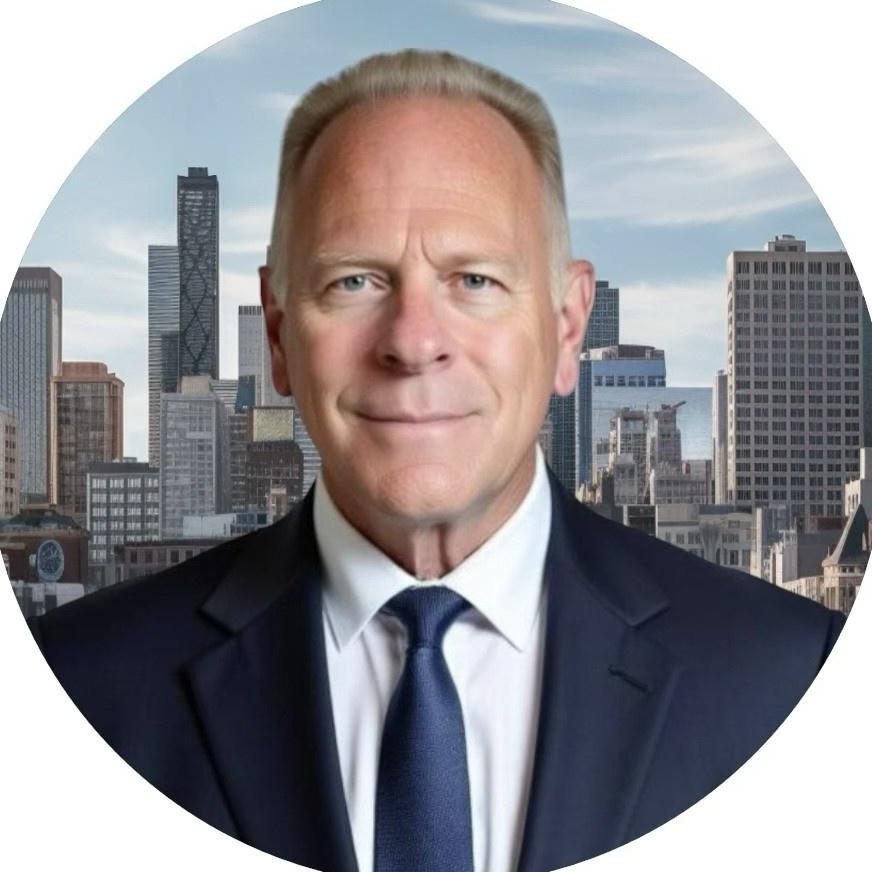
Stephen Holderman
Chief Executive Officer · Partner · Founder
Stephen has more than 35 years in executive management and business development, with a focus on investment strategy, and more than 25 years of start-up, scale-up and turnaround management. Has owned and operated multifamily properties since 1995. Minority owner and president of BIB Technologies, an electric and solar-powered mobile retail business in Los Angeles. Previously head of global business development at PayRange, and chief executive of several companies.

Greggory Holderman
Partner · Southeast Regional President · Assistant COO
Greggory has more than 20 years in business ownership and operations, including founding a service business and growing its team to serve clients across the Northeast and Southeast. Greggory's focus is scalable systems and operational discipline. Previously a writer, producer and director in film, commercial and corporate work. Greggory supervises resident onboarding while also managing our Southeastern region!
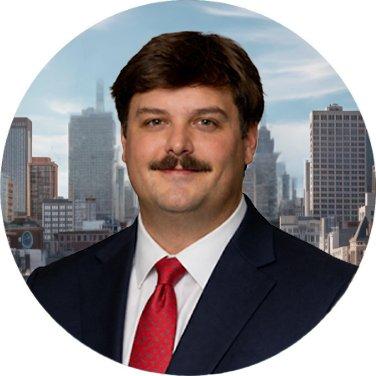
Wilson Blum
Contract Chief Investment Officer · Kingsley Group
Wilson is ECAH's contracted chief investment officer, leading investment strategy, debt financing, financial planning, asset evaluations and acquisitions analysis. Wilson's background is in institutional real estate, in capital structure, underwriting and joint-venture strategy. At firms including American Equity and Kingsley Group, Wilson has managed large portfolios, arranged billions in bridge and construction loans, and carried out acquisitions across several property types. Wilson uses detailed financial modeling and due diligence to plan how ECAH buys, finances and grows its portfolio.
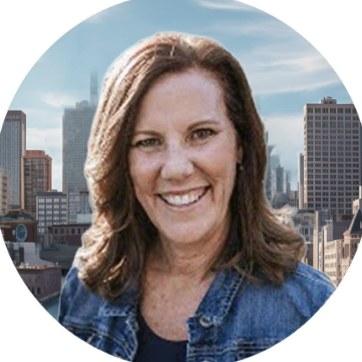
Robin Loranger
Vice President of Resident Relations · Executive Assistant
Robin manages resident support at ECAH, from onboarding new residents to day-to-day help, and handles the board's administration. Before ECAH, Robin worked in healthcare, in patient care, clinical coordination and high-volume administration at institutions including Hoag Memorial and Orange Coast Memorial Medical Center. The scheduling, document checks and clear communication that work demanded now go into onboarding residents and helping them once they live in a community.

Jacob Tolmach
Vice President of Field Management · Chief Grounds Architect
Jacob designs and supervises the grounds of every Eagle community, sets the environmental design standards for the portfolio, and looks after the long-term care of each site. The founder and owner of a Midwest landscape and design firm, Jacob has also worked with Grow Studio and HabAdapt, specializing in sustainable native planting, stormwater management and hardscape construction from concept through to the work in the field. Background in ecological landscape design, site engineering and project management.
Our Partners
Finance, Investor Relations, and Accounting
Lexcraft Advisors is an outside firm that works as an integral part of the ECAH team. Its people bring decades of multifamily and mobile home community experience, and manage our finance, investor relations, and accounting. They are hands-on, and support our residents and investors!
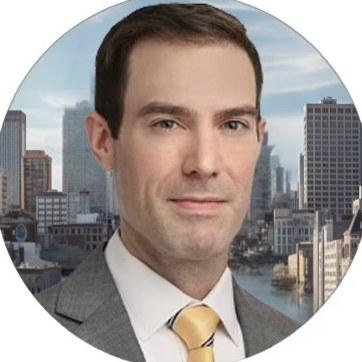
Mike Zane
Contract CFO · Founder, Lexcraft Advisors
Mike founded Lexcraft Advisors and is our contract CFO. More than 10 years in real estate finance and management consulting at JPMorgan Chase and PwC, across accounting, audit, fundraising and private equity operations. MBA in finance and accounting from Rutgers; BS in economics from The College of New Jersey.
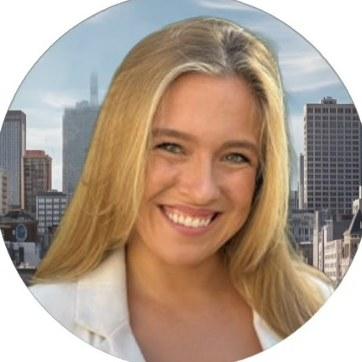
Darcy Reynolds
Investor Lead, Lexcraft Advisors
Darcy supports ECAH's investor coordination. She assists with investor portal access, document coordination, and administrative aspects of the subscription process. Darcy started in industrial real estate at Amazon, in operations management and business strategy, then worked as a business relationship manager at SL Green Realty and as sales manager for a large real estate team. Finance degree from Rutgers.

Max Chen
Accounting Lead, Lexcraft Advisors
Max joined Lexcraft in 2024 after a BS in finance from Rutgers, with a concentration in real estate. At Rutgers, Max was part of Project Destined and the Rutgers Center for Real Estate, whose team placed second in the national ICSC case competition. Internships at Pretium and Hildreth Real Estate Advisors.
The next step
Request Investment Materials
The offering memorandum, the underwriting and the investment vehicle terms are in Juniper Square, behind a mutual NDA. Verifying that you're accredited comes later, and only if you decide to invest.
You can also email us at InvestorRelations@EagleCommunitiesAH.com
On this page
- The headline terms, and our growth targets
- Why this market, and how we identify, acquire, reposition and manage communities
- Where we operate, and where we're investing
- Who runs Eagle, and who handles our accounting and investor relations
Behind the mutual NDA
- The offering memorandum
- The underwriting, community by community
- Investment vehicle terms and the anticipated investor returns
- Where and what we're looking at next
Investor portal
Common questions
Everything about the investment itself is in our investor portal. Here's how to get in, and what you'll find when you do.
How do I get an investor login?
I already have a login. Where do I sign in?
Do I need to be an accredited investor?
What's in the investor portal?
How do I contact investor relations?
Disclaimers
Securities offered under Rule 506(c) of Regulation D.
- This is not an offer to sell or a solicitation of an offer to buy any securities.
- Offers are made only by private placement memorandum.
- Past performance does not guarantee future results.
- Offerings are open to verified accredited investors only.
- Statements about future growth are forward-looking projections, not commitments, and actual results may differ materially.
- Real estate investments carry risk, and you could lose all of the capital you invest.
- Before you invest, do your own due diligence and talk to your own legal, accounting and financial advisors.